How Do I Sell My House?
 16 min read
 Top 8 Questions (and Clear Answers) for Gold Coast Sellers
Table of Contents
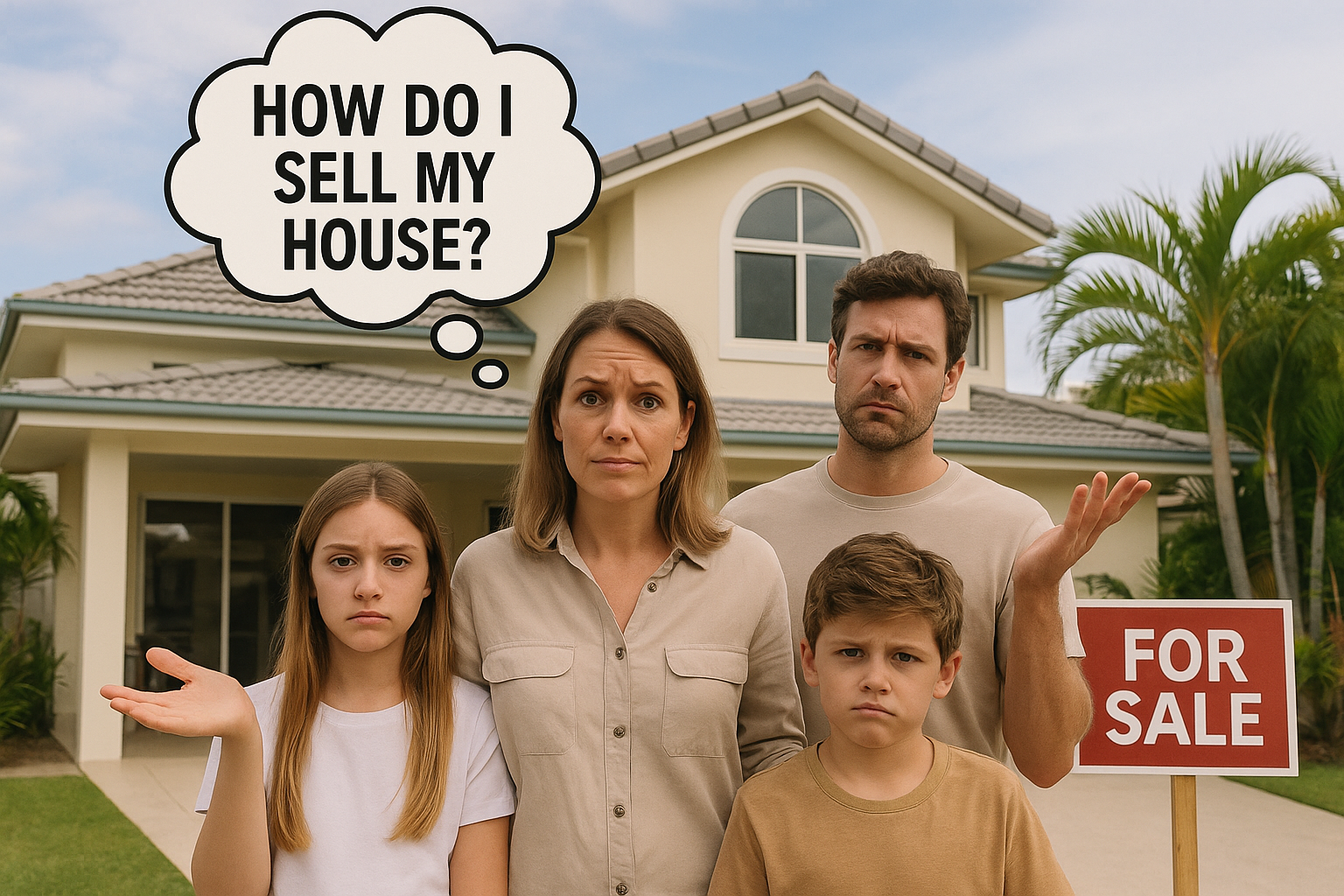
How Do I Sell My House? Selling your home for the first time can feel overwhelming, especially if you’re unsure where to start. As a first-time seller on the Gold Coast, or its been a while you likely have many questions about the process, timeline, costs, and legal requirements. Below, we’ve organized the most common questions sellers ask when they start researching how to sell their home. Each section groups related questions and provides context to help you understand why these questions matter.
1. How Do I Get Started with Selling My Home?
If you’ve never sold a property before, the first steps can be unclear. In Queensland, selling a home involves several parties and steps – from finding an agent and solicitor to signing contracts and eventually settling the sale. Early on, you’ll want to know the overall process and what to do first. Common beginner questions in this stage include:
- “What are the steps involved in selling a house in Queensland?” – Understanding the selling process (finding an agent, setting a price, marketing, negotiating, contracts, settlement, etc.) is crucial so you know what’s ahead. You might search for a step-by-step guide or a checklist for selling a home. 🔗 GUIDE
- “Where do I start if I want to sell my home?” – Novice sellers often ask how to kick off the sale. Typically, the first step is to choose a real estate agent and possibly engage a solicitor early for advice. You may also need to prepare your property for sale (repairs, cleaning) before listing.
- “Can I sell my house without a real estate agent (FSBO)?” – You might wonder if you can sell the property privately to save on commission. While it’s possible, most first-timers use an agent for their expertise in pricing, marketing, and legal paperwork. This leads to asking how to find the right agent. 🔗ARTICLE
2.How Long Will It Take to Sell (Timeline Questions)?
Timeframe is a big unknown for Home sellers You’ll want to know how quickly your home might sell and when you’ll get the proceeds. The timeline can vary with market conditions – some homes sell in weeks, others take a few months. As of early 2025, the median time on market for houses in Queensland is around 21 days (from listing to finding a buyer) 🔗reiq.com, but it can be longer if the market is slow or your price is high. After you find a buyer, the settlement period (the time to finalize the sale and transfer title) typically adds another 30 to 60 days (sometimes up to 90 days). Here are questions you might ask about timing:
- “How long does it take to sell a house from start to finish?” – This question is about the overall timeline. You’d be looking for information on average days on market in your area and the typical settlement duration. For example, if Gold Coast homes are selling fast (many within a month 🔗reiq.com), you might expect a quicker sale, but you also need to factor in the settlement period (often ~4–8 weeks after signing the contract).
- “How soon should I start preparing my home for sale?” – If you’re unsure of timing, you might ask when to begin pre-sale preparations. Generally, it’s wise to start preparing (repairs, decluttering, finding an agent) several weeks or even a few months before you hope to list, to ensure you’re ready once the home goes on the market.🔗Getting My Home Ready
- “When is the best time of year to sell on the Gold Coast?” – Many new sellers are curious if timing the market or seasons will help. You might Google whether spring leads to higher prices or how the current market conditions are. (For instance, Gold Coast prices have been rising recently, so many sellers find it’s a good time to sell now rather than waiting.)
- “Is now a good time to sell my house?” – This is a common question if you’re unsure about market conditions. You’d look for info on the Gold Coast real estate market trends, like current median prices and buyer demand. (As of 2025, Gold Coast house values have surged ~9% in the past year, with a median house price around $1.3M indicating strong demand.)
3. Choosing a Real Estate Agent
Many first-time sellers don’t have experience with real estate agents and will have questions about if and how to choose one. In Queensland, appointing a licensed real estate agent is a typical first step, since they handle marketing, buyer negotiations, and contracts. You’ll likely compare a few agents before deciding. Key questions include:
- “Do I need a real estate agent to sell my home?” – While you can sell privately, most novices ask this to understand the agent’s role and value. Agents provide pricing advice, marketing exposure, and negotiation skills to maximize your sale price, which can be especially helpful if you’re new to selling. 🔗ARTICLE
- “How do I find and choose a good real estate agent on the Gold Coast?” – You might search for tips on choosing the right agent. Important factors include the agent’s license and experience, knowledge of your local market, track record of successful sales, marketing strategy, and fees. For example, you may ask for recent sales data in your suburb or client testimonials. 🔗ARTICLE
- “What questions should I ask a prospective agent?” – Once you start interviewing agents, you’ll want to know what to ask them before you sign anything. Common things to ask include: Are you licensed and experienced in this area? What commission do you charge and what does it include? How will you market my property? How long do you expect it will take to sell? etc.. These questions help ensure you choose someone trustworthy and effective.
- “What is the typical real estate commission or fee for selling a house?” – As a novice, you may not know how agents get paid. In QLD, commissions are negotiable (there’s no fixed rate). You’ll find that the average commission is around 2.5–3% of the sale price, but it varies by area and sale price. (On the Gold Coast, commissions average about 2.2–2.5% but can range from as low as ~1.5% up to 3.5% depending on the agent and property value.) You might use this info to compare agent proposals and ensure you’re not overpaying.
- “Should I hire the first agent I meet, or interview multiple agents?” – Many first-timers wonder if they should shop around. It’s generally advised to meet with a few agents, get appraisals and discuss strategies, then choose one you feel comfortable with. So you might search for how to conduct agent interviews or compare agents.🔗 FREE HOME APPRAISAL
4. Costs and Fees Involved in Selling
Selling a property isn’t just about collecting the sale price; there are various costs involved. It’s wise to budget for these so you aren’t caught off guard. As a novice, you’ll likely ask about what expenses to expect when selling:
- “How much does it cost to sell my house?” – This broad question covers all the selling expenses. You’d be looking for a breakdown of costs such as the real estate agent’s commission, marketing/advertising costs, legal/conveyancing fees, and any other charges. For example, you may learn that agent commission (often your largest expense) might be ~2–3% of the price, and legal fees for the conveyancer/solicitor could be around $1,000–$3,000. Marketing packages can vary (a few hundred to a few thousand dollars, depending on advertising).
- “Do I have to pay stamp duty or other taxes when I sell?” – In QLD, stamp duty is paid by buyers, not sellers. As a seller, you typically don’t pay stamp duty on the sale of your own home. However, if the property is an investment or not your primary residence, you might wonder about Capital Gains Tax (CGT). (CGT doesn’t apply to your principal residence in Australia, but it would if it’s an investment property or if you’ve rented it out for a time – a detailed CGT question might come up if relevant to your situation.)
- “What other fees or charges should I budget for?” – This might include auctioneer fees (if selling by auction, ~$500–$1,000), building and pest inspection costs (sometimes sellers choose to do their own inspection report, ~$400–$600, though buyers often pay for these), moving costs after the sale (a few hundred to a few thousand dollars depending on how much you move), and any repairs or upgrades you invest in before selling. Asking this ensures you list out all possible expenses.
- “What happens to my mortgage when I sell the house?” – If you still have a home loan, a novice might worry how to handle the mortgage. The answer is that your mortgage will be paid out from the sale proceeds at settlement. You might search this to understand that you’ll need to inform your lender and there may be fees for closing the loan or breaking a fixed term (sometimes a small administrative discharge fee or break costs, often ~$150 to $1,000 depending on your loan). Essentially, your bank will receive part of the buyer’s payment to clear your remaining loan, and you receive the balance.
- “Will I need to pay capital gains tax on the sale?” – If it’s your primary residence, usually no CGT applies. But many novices ask to be sure, especially if the home was ever rented out. You’d likely search for CGT exemptions on family home or ask an accountant, as tax can be complex. It’s a smart question to ensure there are no surprise tax bills.
5. Preparing the House for Sale
To achieve the best result, you need to present your home well to potential buyers. First-time sellers often seek advice on what they should do to get their house ready and attractive. You might not be aware of how much preparation is needed, so common questions include:
- “How should I prepare my house before listing it for sale?” – This covers all the pre-sale preparation tasks. You’d expect answers like decluttering and cleaning thoroughly, doing minor repairs (fixing leaky taps, touching up paint), and possibly improving curb appeal (tidying the yard, etc.). Basically, making the home as appealing as possible to buyers.
- “What renovations or improvements are worth doing to increase my home’s value?” – Novices often wonder if they should do things like a kitchen update or new carpet to get a higher price. The usual advice is to focus on cost-effective improvements: fix obvious defects and maybe small cosmetic upgrades, but avoid overspending on major renovations right before selling, as you might not fully recoup the cost. Googling this might give lists of high-ROI improvements or suggest talking to an agent about which upgrades matter in your market.
- “Is home staging or styling worth it when selling?” – You might ask if you should stage your home (either DIY or by hiring a professional stylist). Staging involves arranging furniture and decor to make the home look its best for photos and inspections. Many sources say staged homes sell faster and for more money (for example, one study found staged homes spent 73% less time on the market on average). As a result, a first-time seller might consider this and ask about the costs of staging versus the benefits.
- “Should I get a building and pest inspection before listing my home?” – In some cases, sellers order their own building/pest reports to identify issues beforehand or to provide to buyers. A novice might ask if this is necessary or helpful. While not required, doing an inspection preemptively can alert you to any problems (termites, structural issues) that you could address before buyers discover them. It might also signal transparency. However, many sellers leave this to the buyer. This question is about making the sale smoother by avoiding surprises. * Buyers are not covered by a building and pest report commissioned by the seller, as a buyer ALLWAYS have your own report done
- “How do I make my home look good for inspections (open houses)?” – Beyond repairs, you might search for home presentation tips: e.g. remove personal items, ensure plenty of light, perhaps add fresh flowers or pleasant scents on open house days. Essentially, how to stage each open home to impress buyers. 🔗GUIDE
6. Pricing and Market Research
Setting the right asking price is critical. First-time sellers often aren’t sure how to determine their home’s value or what the market will pay. They also want to know about current market conditions on the Gold Coast. Likely questions in this area:
- “How much is my house worth in the current market?” – This is usually one of the very first questions. You might search for online valuation tools, look up recent sales of similar homes in your area, or consider getting a property appraisal from a few agents. Understanding your likely sale price is important for planning your next move.🔗 FREE HOME APPRAISAL
- “Should I get a professional valuation or just rely on agent appraisals?” – A registered property valuation (by a licensed valuer) can give an independent value (usually costs a few hundred dollars), while agents typically provide a free market appraisal. A novice might ask if paying for a valuation is necessary. Often, agents’ appraisals and comparative market analysis are sufficient, but if you want extra confidence (or if selling a unique property), you might get a valuation.
- “How are home prices trending on the Gold Coast right now?” – This is about market research. You’d want to know if prices are rising, stable, or falling. For instance, you might find news that Gold Coast property prices have been reaching record highs (with a median house price around $1.3 million in 2025 and growing faster than Brisbane’srealestate.com.au). Knowing this could influence how you price your home and how urgent you feel about selling (in a rising market, you might aim higher; in a slow market, price more competitively).
- “How do I decide on an asking price or reserve price for my home?” – Once you have an idea of value, you’ll ask how to set the listing price (for private sale) or a reserve price (if going to auction). This typically involves looking at comparable sales and listening to your agent’s advice. As a novice, you might search for strategies on pricing (for example, whether to price a bit below expectations to attract interest or set a firm price). The question is essentially how to price to attract buyers while still getting the best price possible.
7. Which Method of Sale and Marketing Strategy?
There are different ways to sell a house (such as private treaty vs auction), and as a first-timer you might not know which is best for you. Additionally, you’ll wonder how your property will be advertised to buyers. Likely questions include:
- “Should I sell by auction or private treaty (private sale)?” – This is a common query in Australia. In a private treaty sale, you list with an asking price (or price range) and negotiate offers; in an auction, you set a auction date and buyers bid publicly, aiming to reach your reserve price. Each method has pros and cons (auctions can create competitive bidding and a quick sale with no cooling-off, while private sales allow negotiation in private and more flexibility). A Gold Coast seller might ask which method is typical or more successful in the current market.
- “How will my house be advertised to find buyers?” – You may want to know about the marketing plan. This can include online listings (realestate.com.au, Domain), a signboard out front, social media, print ads (some agents advertise in local newspapers or magazines), and whether the agent will use professional photography, floor plans, or video tours. As a novice, you might search for what effective marketing looks like or what standard marketing packages include. Essentially, you want assurance that your home will reach enough potential buyers.
- “How do I make sure my listing stands out?” – Related to marketing, you might ask for tips on attracting buyers. Answers often emphasize high-quality photos, possibly staging the home for pictures, writing a compelling listing description, and choosing the right listing price. You might find advice such as using professional photos and keeping the home well-presented to create a strong first impression online – since most buyers will see it on the internet first.
- “Can I hold open houses, and how do they work?” – If you’ve never sold, you might be curious about open inspections (how often to have them, what to expect, whether you need to be present or leave it to the agent, etc.). You may search for how to prepare for open homes and what buyers typically look at during inspections, so you can be ready.
8. What Legal Requirements and Paperwork ?
One area first-time sellers often feel unsure about is the legal side of selling – the contracts, disclosures, and any new laws. Since you haven’t sold before (or in a long time), you’ll want to know what paperwork is needed and what regulations to comply with in Queensland:
- “Do I need a solicitor or conveyancer, and when should I get one?” – In QLD, it’s common (and recommended) for sellers to use a conveyancing solicitor to handle the contract of sale, title transfer, and settlement process. A novice seller might ask this to confirm it’s necessary. The answer: yes, engaging a solicitor early is wise (often once you’re serious about selling, or definitely by the time you accept an offer). They can even help review the agency agreement with your real estate agent and prepare the contract of sale documents.
- “What documents and paperwork do I need to sell my house?” – You would search for the list of documents required. Typically, you’ll need your property’s title deed (your solicitor helps with title searches), and you must have a contract of sale ready when you start marketing – this contract includes details about the property and terms of the sale. In Queensland, standard contracts are often prepared by solicitors or by using REIQ templates. You’ll also need to provide certain disclosures (see next question). Additionally, at settlement, you’ll sign transfer documents (e.g. Transfer of Title/Form 24 in QLD). A first-time seller wants to ensure they have everything in order to avoid delays.
- “What are my legal obligations when selling (disclosures and certificates)?” – This is very important, especially with recent changes in legislation. You’d likely ask what you must tell or provide to the buyer by law. As of 1 August 2025, Queensland introduced a mandatory seller disclosure scheme requiring sellers to give buyers a disclosure statement (Form 2) with key information before the contract is signed. This is a big change from the old “buyer beware” system. So you might ask: “Do I need to fill out any new forms or disclosures?” – The answer is yes: you’ll need to compile information about your property (title details, any encumbrances, easements, zoning, council notices, etc.) and provide it to buyers via the official disclosure form. If you don’t, the buyer could terminate the contract under the new law. Aside from that, QLD law also has specific requirements like smoke alarm compliance and (if applicable) pool safety compliance (discussed below).
- “Do I need to upgrade my smoke alarms or get a compliance certificate?” – Many sellers are unaware that Queensland’s smoke alarm laws affect property sales. Since 1 Jan 2022, any home sold must have interconnected photoelectric smoke alarms installed in every bedroom and hallway, meeting the new standards. As a seller, you must disclose in the contract whether the smoke alarms are compliant. If they are not, the buyer is allowed to have an electrician inspect and can receive a small reduction (0.15% of purchase price) at settlement to compensate – so it’s in your interest to upgrade the alarms beforehand. A first-time seller would likely ask about this once they learn of it, e.g., “What are the smoke alarm requirements when selling a house in QLD?” – and indeed the requirements are strict (photoelectric, interconnected, etc.), so you’d need to ensure compliance to avoid penalties.
- “If I have a swimming pool, do I need a pool safety certificate to sell?” – On the Gold Coast many homes have pools, so this is a common legal question. In Queensland, you can sell without a pool safety certificate, but if you don’t have a current certificate, you must give the buyer a Form 36 notice (statement that you don’t have a pool safety certificate) before contract signing. The buyer will then be required to obtain a certificate within 90 days after settlement. It’s often recommended to get the certificate yourself (to make the sale smoother), but legally you need to at least declare the status. A first-time seller with a pool would certainly want to know this requirement to avoid any fines or contract issues.
- “What is a ‘cooling-off period’ and how does it affect the sale?” – In QLD, after a private treaty contract is signed, the buyer usually gets a 5 business day cooling-off period (during which they can terminate the contract with a small penalty). A novice seller might not know this and could ask about it upon hearing the term. Understanding the cooling-off period is important so you know the sale isn’t final until that period lapses (auction sales, however, have no cooling-off). This question ties into understanding the contract of sale conditions.
- “What happens on settlement day, and what do I need to do?” – Finally, you might ask about the settlement process itself. Settlement is when the buyer pays the remaining balance and the property title is officially transferred to them. As a seller, you’ll want to know how settlement is handled (usually your solicitor and the buyer’s solicitor liaise with banks electronically). On settlement day, typically you receive the balance of the purchase price, hand over keys, and transfer ownership of the home. You’d ask this to be prepared – for example, you might need to ensure you’ve moved out by the settlement date, cancel utilities, and have your identification documents ready for the title transfer. Knowing what to expect at settlement will make the end of the process go smoothly.
In summary, as a first-time home seller you would likely start by asking “How do I sell my house?” and then break that big question into all the smaller ones above – covering process, timing, finding an agent, costs, preparation, pricing, and legal obligations. These questions are a natural part of getting yourself informed. 🔗 Gold Coast Real Estate Agents can answer all of these questions and provide a proven and trusted sales strategy to bring a real value to your sale.